

Does braiding hurt?
1. Introduction
The Pain of Braids: And How Professionals Make It Disappear
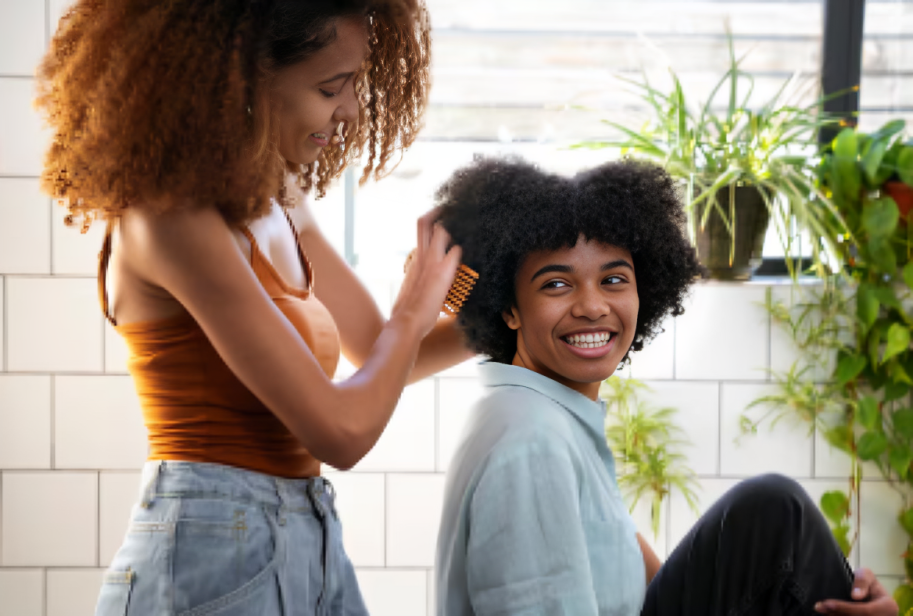
Braids are among the most iconic hairstyles in the world from cornrows to box braids, Fulani braids to twists, braiding has deep cultural roots and modern appeal. But for many people, the question “Does braiding hurt?” is real. The honest answer is this: braiding can feel uncomfortable but it shouldn’t hurt in a way that lingers, spikes, or causes damage.
When hair is braided, tension is created at the roots to keep strands interlocked. Some initial pressure and tightness are common especially if you’re new to braids or your scalp is sensitive. However, pain that feels sharp, burning, or lasts beyond the first couple of days is not normal and signals excessive force or techniques that could damage your hair health. Mild tenderness within the first 48 hours can occur because the scalp is adjusting to the tension.
Professional braiders understand how to control tension, distribute weight, and minimize discomfort so that your experience is secure and comfortable. When done with care, braiding shouldn’t make you dread the chair it should be a joyful transformation.
2. Why Some Braids Actually Hurt: What Your Scalp Is Feeling
To understand why some braiding feels painful, you have to look beneath the surface at the hair follicles, nerves, and blood flow beneath the scalp.
Braiding stretches hair from the root outward. When tension is too tight or unevenly distributed, it puts constant pressure on follicles and the tiny nerves in the scalp. These nerves are highly sensitive and signal discomfort when they’re stretched beyond their comfort threshold. This sensation can feel like sharp pulling, throbbing pressure, or even persistent soreness days after styling.
Traction alopecia a form of hair loss caused by chronic pulling on the hair follicle is one of the most serious potential outcomes of excessively tight braids. When a hairstyle continuously exerts pull on the root, the follicle weakens, leading to thinning at the hairline, eyebrows, and other areas. It’s a well-documented condition seen most often in tight protective styling without margin for rest periods or adjustments.
Inflammation called folliculitis small tender bumps on the scalp can also develop from too much tension or irritation. This isn’t just discomfort; it’s a biological skin response to stress around the roots.
Understanding this helps differentiate normal new sensations from harmful pain from excessive tension.
3. When Braids Hurt Too Much: Signs Your Scalp Needs a Break
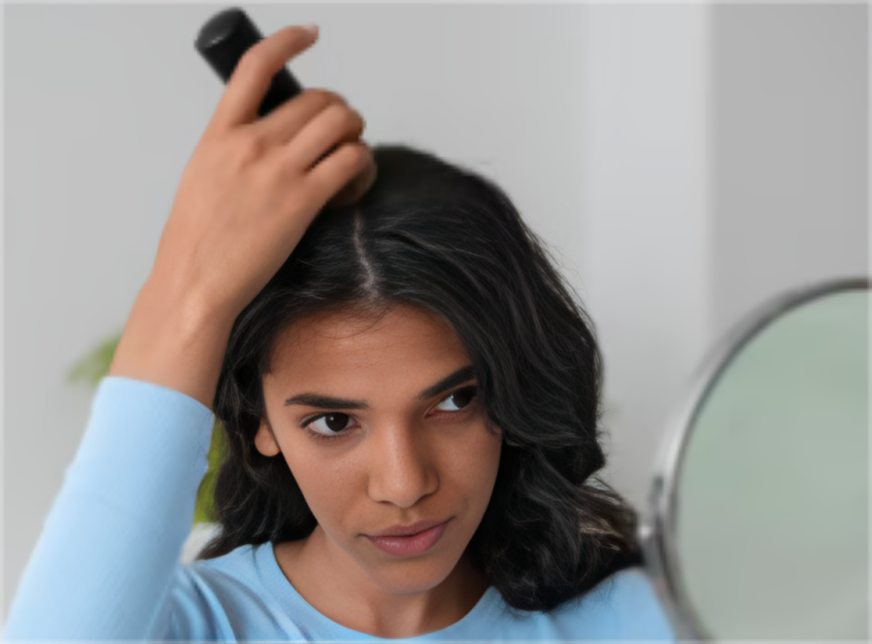
One of the biggest mistakes many people make is assuming all discomfort is part of the braid experience. But pain and damage aren’t the same as adjustment. Here are key signs your scalp isn’t just feeling new tension it’s under stress:
- Sharp, Burning Pain During or After Styling
If the sensation feels intense or stabbing, that’s a message from your nervous system not a “beauty requirement.”
- Persistent Soreness Lasting Beyond 48 Hours
A little tenderness fades as the scalp adapts. Pain that lasts more than a couple of days suggests too much tension or improper technique.
- Headaches or Sensitivity Around Hairline
Follicles under strain can send pain signals that radiate, causing tension headaches or sensitivity that makes ordinary touch uncomfortable.
- Red Bumps or Inflammation
Inflammation around braid roots (folliculitis) is not a styling badge it’s a warning sign of irritation from too much pull.
- Thinning Edges or Hair Loss Around the Hairline
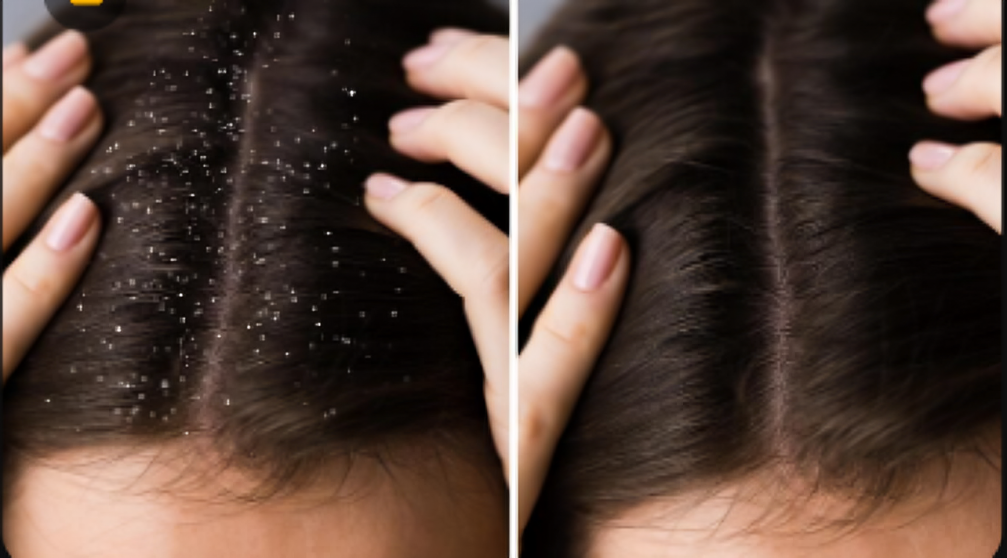
This is more than pain this is damage. Traction alopecia is a condition where follicles are physically weakened by ongoing tension. Early signs should prompt immediate adjustment or removal.
Healthy braids look elegant and feel comfortable. Pain that interferes with daily life or lasts beyond just a short adjustment period isn’t part of a good experience it’s a cue to speak up or choose a gentler approach.
4. The Secret to Braids That Feel Good: Not Painful.
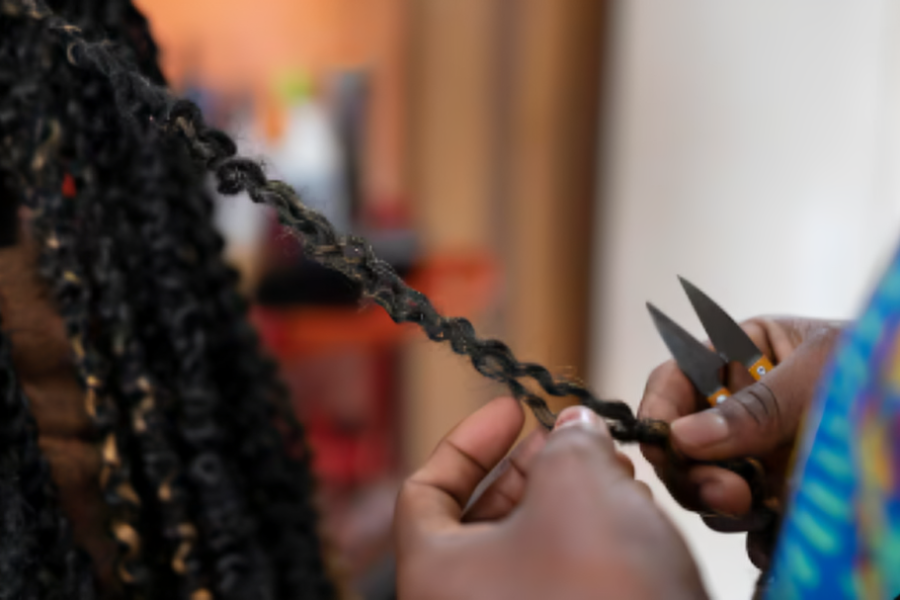
Professional braiders don’t rely on brute force they rely on knowledge, technique, and adaptability. Here’s what separates a comfortable braid experience from a painful one:
- Proper Tension Control
Instead of pulling hair as tight as possible, experienced stylists apply just enough tension so the braid stays secure but doesn’t strain hair roots. This subtle art makes all the difference.
- Scalp and Hair Prep
Hydrated, detangled hair and a clean scalp reduce resistance from the start. Styling products like light oils and conditioning sprays ease friction so that sections glide more easily into braids.
- Gentler Styles
Styles like knotless braids or low-tension twists place significantly less strain on scalp follicles compared to classic tight braids. A trichology study showed that lower-tension twists reduced follicular stress markers by about 40% compared to high-tension braids.
- Communication During Styling
A key sign of a professional stylist is checking in asking how the tension feels, adjusting when you say “too tight,” and ensuring your comfort throughout. This human dialogue is essential to a pain-free experience.
- Post-Styling Care
A soothing scalp massage with gentle oils or warm compresses can help ease post-installation tightness. These simple aftercare steps improve circulation and relieve initial tension without medication.
The goal is not to eliminate all sensation some new texture always feels different at first but pain should not be ongoing or extreme.
5. How to Protect Your Hair and Scalp Without Sacrificing Style
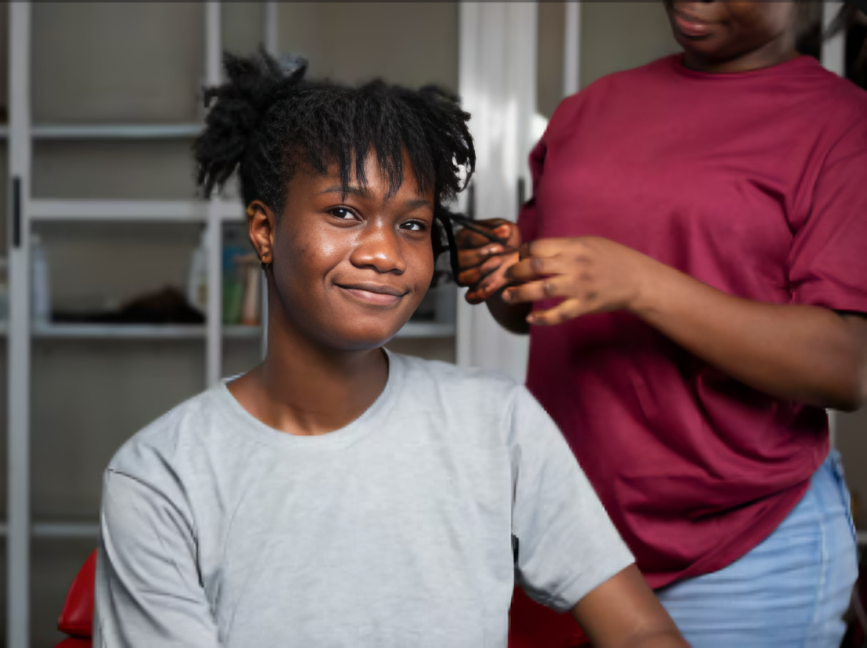
Braids are a celebrated protective hairstyle meaning they shield your natural hair from daily manipulation and environmental stress. However, protective doesn’t automatically mean pain-free unless you take steps to protect your scalp too.
- Choose Loose or Knotless Styles
These styles initiate less force at the root and distribute weight more evenly.
- Give Scalp Breaks Between Styles
Even healthy hair needs a rest between long bouts of tension, ideally several weeks between installs to let follicles recover.
- Avoid Heavy or Thick Extensions
Extra weight increases tension on follicles and can lead to discomfort or gradual weakening.
- Hydrate and Nourish the Scalp
Use lightweight oils like jojoba, tea tree, or peppermint to soothe irritation and balance moisture.
- Always Communicate with Your Stylist
Your comfort is your right. A professional listens and adjusts this is part of a healthy braiding culture.
With the right care, braids protect your hair and keep your scalp healthy that’s the true purpose of a professional protective style.
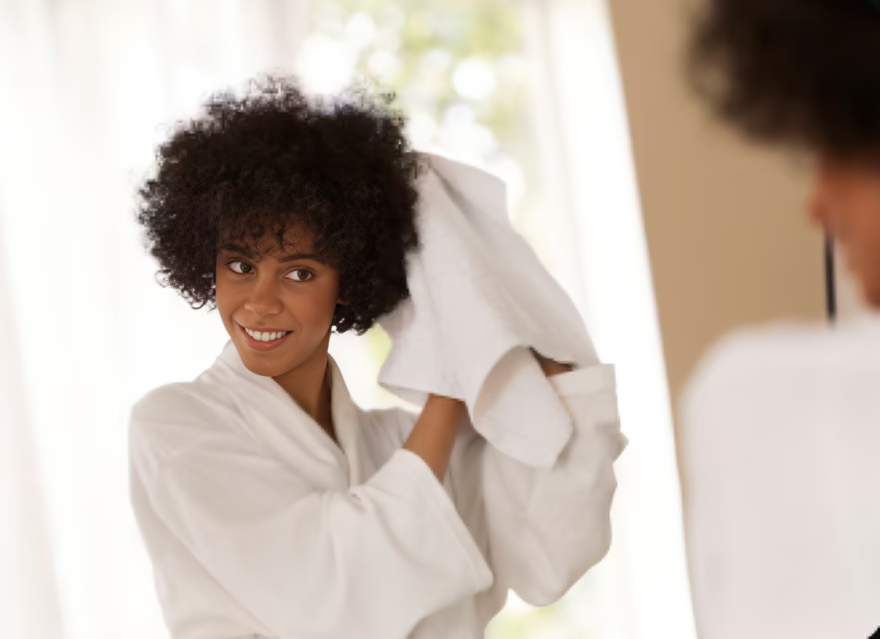
6. Say Goodbye to Braid Pain: Here’s How to Enjoy Every Style
By now you know that braiding doesn’t have to hurt. Mild pressure when new or when adjusting to a style is common, but sharp pain, headaches, persistent soreness, or scalp irritation are not normal and shouldn’t be tolerated.
Your scalp sends signals. If something feels off say it. If a technique feels too tight ask for adjustment. Professionals who care about hair health always prioritize comfort alongside style.
The truth is, you can enjoy stunning, long-lasting braids without painful tension or scalp damage if you choose the right stylist, the right style, and the right techniques.
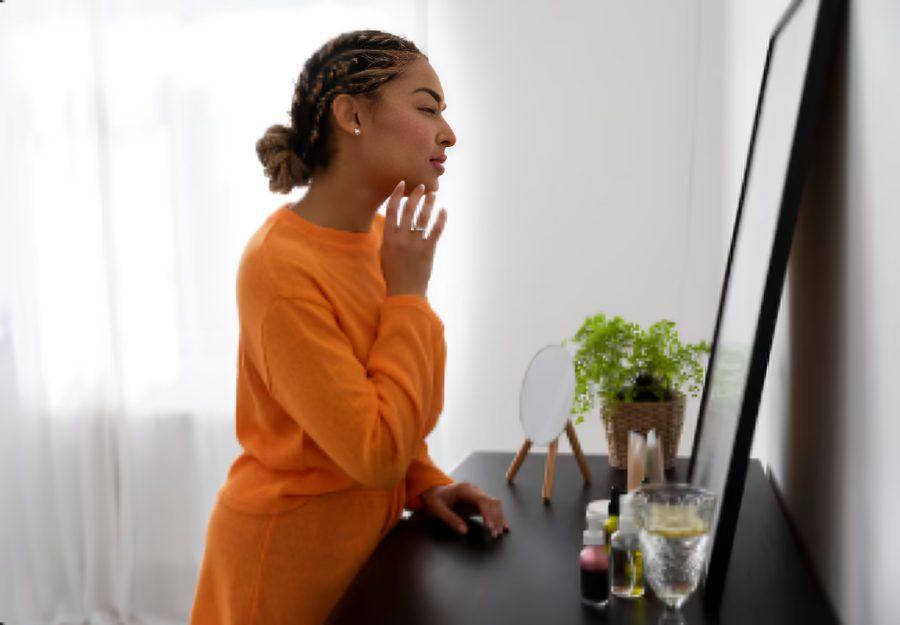
Conclusion
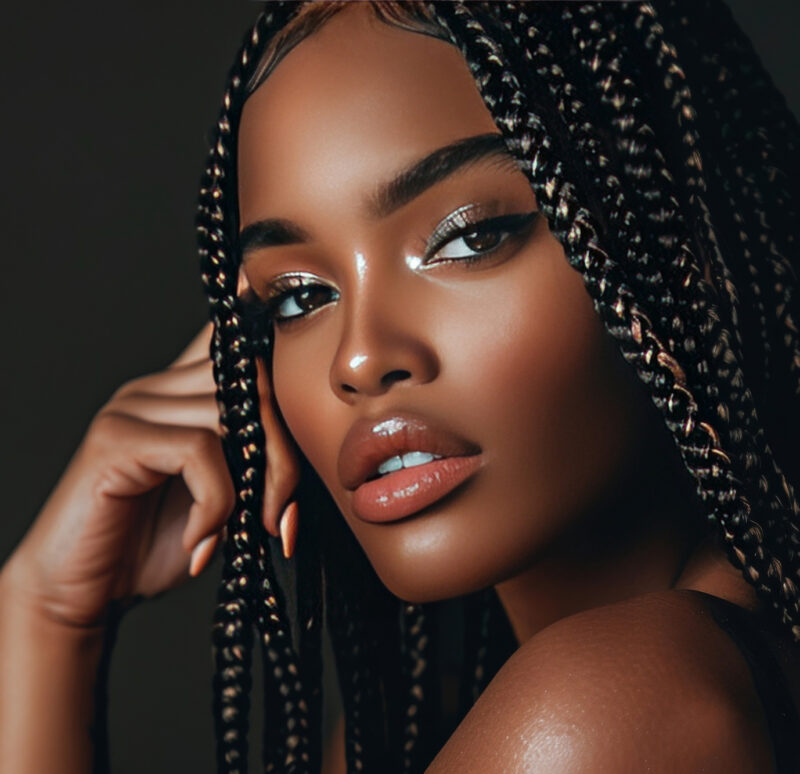
Braids are more than just a hairstyle they’re a statement of culture, style, and self-expression. achieving beautiful braids shouldn’t come at the cost of discomfort or scalp stress. Understanding why braids hurt, recognizing the signs of tension, and choosing professional techniques and protective styles can make all the difference.
From proper scalp preparation to gentle braiding techniques, hydration, and mindful styling choices, there are many ways to enjoy your braids comfortably. With the right approach, braids can be both protective and pain-free, letting you confidently showcase your hair without worrying about soreness or damage.
“Transform your braiding experience: enjoy beautiful styles without the pain. Discover the techniques, tips, and care routines that let you have stunning braids while keeping your scalp comfortable and healthy.”



#Comments (2)
Adrien Raulston
I have been browsing online more than three hours nowadays, but I never found any interesting article like yours. It?¦s lovely worth enough for me. In my opinion, if all web owners and bloggers made excellent content material as you probably did, the web shall be a lot more helpful than ever before.
Alexandria Jerkins
Very efficiently written post. It will be beneficial to everyone who employess it, as well as myself. Keep up the good work – i will definitely read more posts.