

Protective Styles vs Protective Damage

Introduction
Protective styles are hairstyles that safeguard natural hair from environmental factors and manipulation, yet the perception of them being “always safe” is a misconception rooted in their name and misuse.
Explanation of Protective Styles
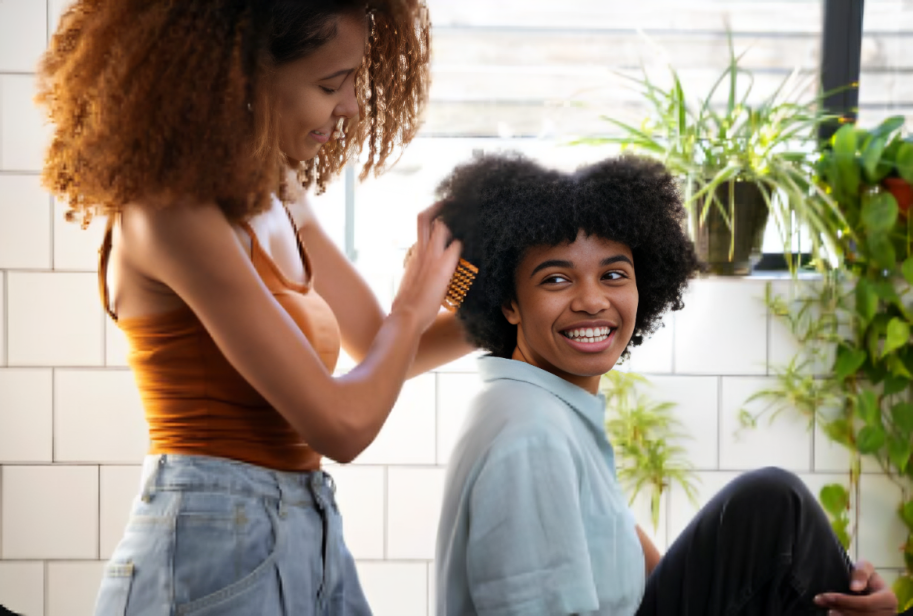
Protective styles are hairstyles designed to keep the ends of the hair tucked away and minimize daily manipulation (such as combing, brushing, and heat styling). This approach helps to:
- Reduce Manipulation: Less handling means less mechanical stress on the hair shaft.
- Retain Length: By reducing breakage and split ends, protective styles aid in length retention
- Moisture Retention: The styles help seal in moisture, provided the hair is properly moisturized before installation and maintained while in the style.
- Common examples of protective styles include:
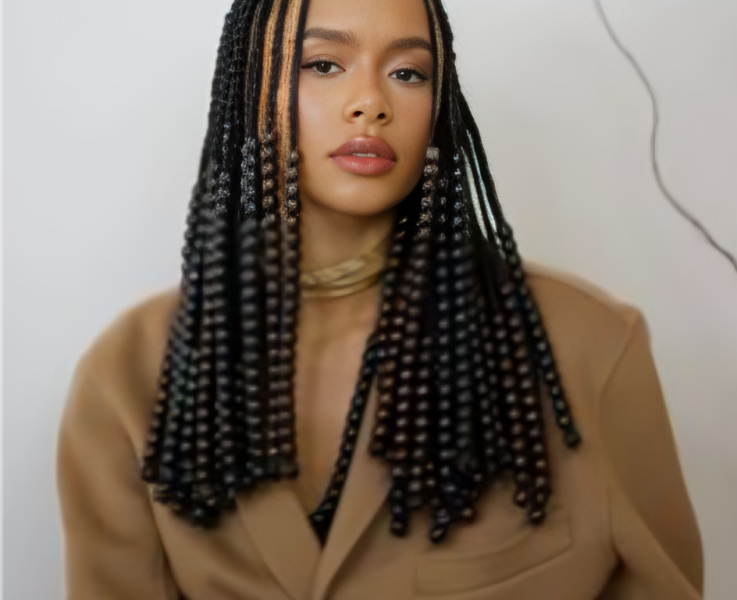
- Braids (box braids, Senegalese twists)
- Wigs
- Weaves
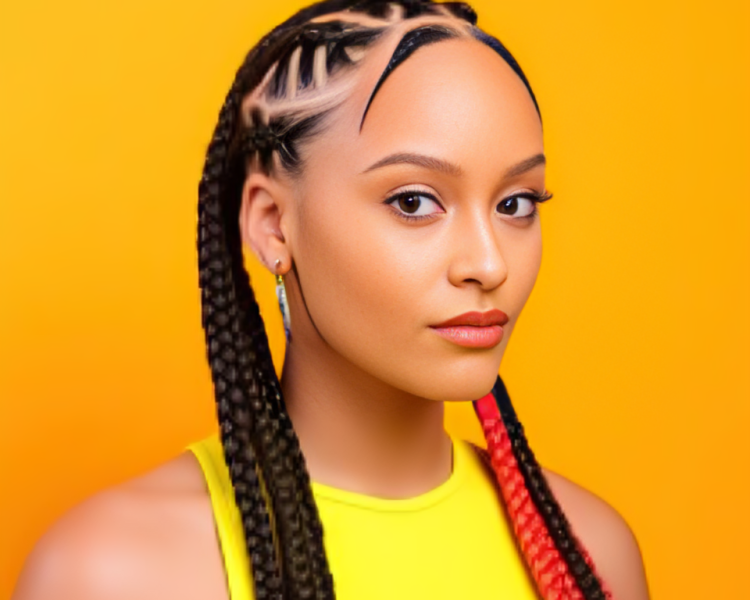
- Cornrows
- Buns (when done without excessive tension)
- Flat twists
Why People Think They’re Always Safe
The belief that protective styles are inherently safe stems largely from the term “protective” and general misconceptions about hair care:
- The Name Implies Safety: The word “protective” suggests an infallible shield, leading people to assume the style itself prevents all damage
- Misunderstanding of Purpose: Many believe these styles promote hair growth, rather than the more accurate benefit of length retention. Hair grows at a consistent rate regardless of style; the “protection” merely prevents the ends from breaking off.
- Assumption of Zero Maintenance: A common misconception is that once a protective style is installed, it requires no further care. People often neglect cleansing and moisturizing their natural hair and scalp while in the style, leading to dryness and buildup.
- Ignoring Installation Stress: The belief overlooks the potential for damage during the installation and takedown processes. Practices like excessive tension, tight braiding, or heavy extensions can lead to traction alopecia (hair loss from pulling), breakage, and scalp damage.
- Overextension of Wear Time: The idea that the longer a style is kept in, the more the hair “grows,” encourages people to wear styles for too long. Overextended wear can lead to severe matting, tangling, and weakened hair.
In reality, the safety of a protective style depends entirely on proper installation (minimal tension), a consistent maintenance routine (cleansing and moisturizing), appropriate duration of wear, and gentle takedown.
1. How Tight Braids Damage Edges
Overly tight braids cause traction alopecia, a gradual hair loss from constant pulling, leading to inflamed follicles, thinning edges, and hair breakage, especially around the hairline, because the tension damages the root, potentially causing permanent loss if not addressed by loosening styles or seeking treatment.
How it Happens
- Constant Pulling: Tight braids, cornrows, or weaves put continuous tension on the hair roots (follicles).
- Inflammation: This mechanical stress inflames the hair follicles, causing bumps or itching, known as traction folliculitis.
- Weakening & Breakage: Over time, the damaged follicles produce weaker, thinner hairs, which are more prone to snapping off (breakage), particularly at the vulnerable hairline.
- Hair Loss (Traction Alopecia): If the tension persists, the follicle can become permanently scarred and stop growing hair, resulting in bald spots or thinning edges.

2. Signs Your Braids Are Too Tight
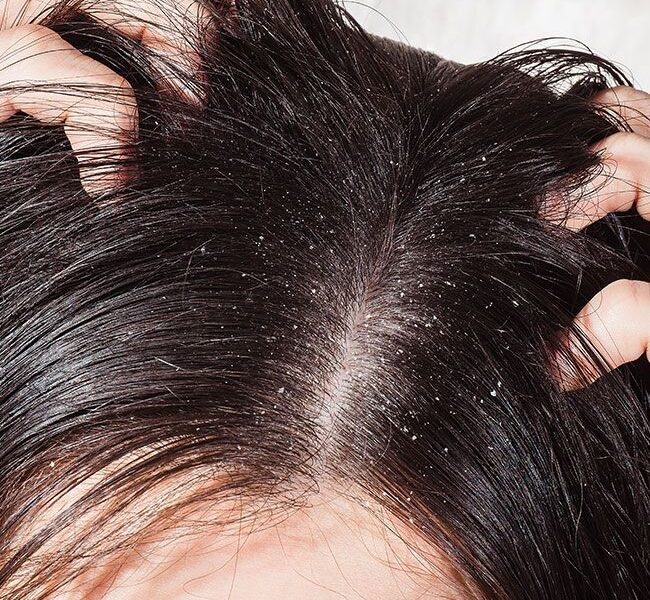
Simple warning signs such as scalp soreness, redness, or bumps often indicate common and manageable conditions like folliculitis or seborrheic dermatitis (dandruff).
Common Causes and Associated Symptoms
The combination of soreness, redness, and bumps on the scalp can be caused by various factors, which may also present with other symptoms:
- Sunburn: A sunburn on the scalp can cause redness, soreness, and pain.
- Scalp Folliculitis: This condition occurs when hair follicles become inflamed, typically due to a bacterial or fungal infection.
Symptoms: Clusters of small, red bumps (often resembling acne) that may have white tips, pain, tenderness, itching, burning, and pus-filled blisters that crust over.
- Seborrheic Dermatitis: A very common condition that causes flaky, scaly, and itchy patches on the scalp. When it involves red bumps, they may be small and raised, and accompanied by white or yellowish flakes and greasy-looking skin.
- Scalp Psoriasis: This condition leads to raised, red patches with a silvery sheen of scales that can be sore and itchy.
- Contact Dermatitis/Allergic Reaction: Exposure to an allergen or irritant (e.g., in certain hair products, dyes, or even some metals) can cause a painful or itchy red rash with potential blisters or bumps.
- Tight Hairstyles/Hats: Constant pulling or friction from tight ponytails, braids, or helmets can irritate the hair follicles, leading to soreness and inflammation.

When to Consult a Doctor
While many cases are mild and can be managed with home care or over-the-counter treatments (like medicated shampoos with ingredients such as salicylic acid or coal tar), you should make an appointment with a healthcare provider or a dermatologist if:
- You have an underlying condition that weakens your immune system.
- The symptoms continue to worsen or spread after a few days of home treatment.
- You experience intense pain or a high fever.
- The affected area is draining pus consistently.
- You are experiencing hair loss alongside the other symptoms.
- You have an underlying condition that weakens your immune system.
3. Tips for Safe Braiding
For safe braiding and healthy hair, consider the following key tips:
- Avoid excessive tightness: Braids that are too tight put constant tension on the hair follicles, which can lead to a type of permanent hair loss called traction alopecia. Ensure your stylist keeps tension minimal.
- Don’t leave braids in for too long: Keeping braids in for extended periods (generally recommended no more than 6-8 weeks) can cause hair breakage, matting, and prevent proper cleansing of the scalp.
- Moisturize edges and scalp: Use light oils and moisturizers to keep your edges and scalp hydrated. This helps prevent dryness, itching, and breakage at the fragile hairline.
- Give hair breaks: Allow your natural hair time to rest between protective styles. Taking a few weeks off from braiding gives your hair and scalp time to breathe, recover, and receive deep conditioning treatments.
Adhering to these practices helps maintain hair health while enjoying the convenience and style of braids.
Conclusion:
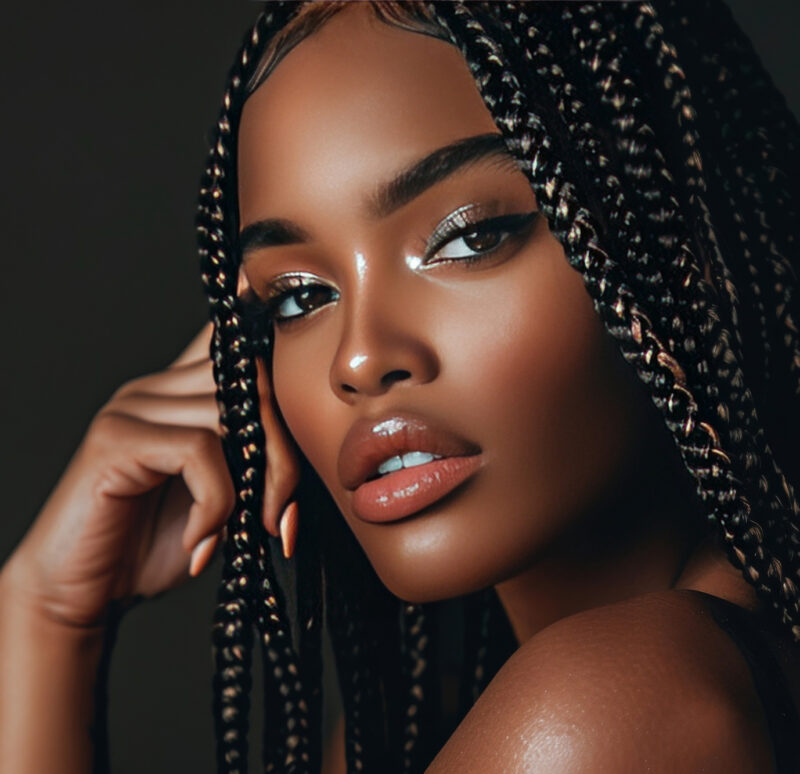
Protective styles are meant to keep your hair healthy, but when done too tightly, they can cause more harm than good especially to your edges. By knowing the signs of damage and following simple safe-braiding tips, you can enjoy stylish braids without risking your hair’s health. Remember, protection is only effective when done correctly!
Know someone who loves braids? Don’t let them damage their edges! Share this post and help them protect their hair while still rocking their favorite styles.


#Comments (29)
zabornatorilon
An interesting discussion is worth comment. I think that you should write more on this topic, it might not be a taboo subject but generally people are not enough to speak on such topics. To the next. Cheers
metboxcasino
Metboxcasino is pretty slick. Good selection of games and the bonuses actually seem worth claiming. Withdrawal took a day or so, which is fine by me. Worth a look if you’re tired of the same old stuff: metboxcasino
shambhubetlogin
Alright, so I took a plunge and stumbled upon shambhubetlogin. Its definitely got a neat vibe. Worth a look when you need something new. Check it out for yourself shambhubetlogin.
yono777all
Downloaded Yono777all the other day and I’m actually digging it. Some cool games on there. See for yourself at yono777all
Stellaskigo
betmgm AZ https://betmgm-play.com/ betmgm TN
Stellaskigo
Dive great yield immersive and bonuses themed worlds exploration into. In ignation casino log in, dominate and dive quests with. Dive and discover!
Stellaskigo
Ignite your passion for casino classics with modern twists and innovations. In coins crown casino, instant win games provide quick thrills and rewards. Join and elevate your entertainment!
Gpbnnt
Play at the unmatched world of online gaming where endless fun awaits. Bovada Real Money offers top sports betting and cashback offers for all players. With Bovada, enjoy top-notch wins and secure, reliable entertainment every day!
Tvdmdp
Get hooked forever on How to win Big Bass Bonanza Money symbols + wild = bonanza magic.
Orrrcg
Gates of Olympus is Zeus showing off. Multipliers up to 500?, unlimited free spins potential, constant tumbling action. Join the divine party in gatesofolympusgm.org!
Gpacjb
Candy avalanche incoming! sugar rush super scatter delivers non-stop cascades and growing multiplier madness. Get ready to win!
Glxigu
Spin starburst strategy and let the stars align. Expanding wilds create epic win chains across both ways. Timeless fun that’s always exciting.
Jnfsqp
Stake isn’t just a casino — it’s the crypto gambling stake withdrawal standard. Provably fair, no KYC hassle for most players, insane multipliers. Start spinning and watch your balance grow.
Zgmctn
luckyland slots promo code 2026: Where free fun meets real wins! Claim 7,777 Gold Coins and 10 Sweeps Coins on signup. Dive into exciting slots and cash prizes await!
Savpxx
Your casino upgrade is DraftKings casino West Virginia. Bet $5, get 500 spins plus up to $1,000 reimbursed on losses. Endless games, endless possibilities!
Gdldhg
Your winning chapter begins at betmgm casino Casino. New players receive 100% deposit match up to $1,000 plus $25 On The House. Let the games begin!
Fcuyiz
Neplatte za znacku, platte za zdravi. Uspora az 80 %
levne generika
Amnszp
Commande simple, rapide, securisee. Large choix de generiques et de marques. Livraison discrete meme le dimanche. Sante24h – votre sante ne dort jamais.sinemet
Hjsrmy
Connect the millions winning strapping on fanduel casino New Hampshire – the #1 real money casino app in America.
Pick up your $1000 WITH IT AGAIN hand-out and refashion every spin, hand and roll into bona fide banknotes rewards.
Fast payouts, whopping jackpots, and continuous activity – download FanDuel Casino in these times and start playing like a pro today!
Rfbaex
FanDuel Casino is America’s #1 online casino, delivering unhesitating thrills with ignition casino payout , aristocratic slots like Huff N’ Huff, and live retailer force sort out at your fingertips. Hip players make 500 Hand-out Spins supplementary $40 in Casino Perk just for the purpose depositing $10—added up to $1,000 disown on first-day net losses. Province all Thrillionaires: unite minute, vie with your style, and turn every blink into epic wins!
Lpthav
The excitement never ends at Betano Casino https://betanogame.org/. Claim 100% up to €500 and play live blackjack with real dealers. Sports, slots and more – all here.
Wyhgms
Play like a pro without the pro price tag — welcome to Betano. https://tikitakagm.org/da/how-to-play/ Feel the rush — Betano brings Vegas straight to your screen.
Eqkcxn
Mostbet – 125% na start i tysiące zakładów każdego dnia. https://mostbetxpl.ink/ Mostbet – 200% do 2000 zł i setki gier kasynowych online.
y777gamelogin
Y777gamelogin – pretty hassle-free login process. Got me right into the action. Definitely a plus in my book! Get logged in now! y777gamelogin.
seubete
Alright, Seubete… not bad, not bad. Decent interface and a good range of options. Worth taking a peek! Click here to see for yourself: seubete.
lasvegascasino
Hey, feels like Vegas right from my sofa! Las Vegas Casino has a lot of great games. I’m impressed. Let’s play! Check it out: lasvegascasino.
Sdkziu
Mostbet: onde cada aposta pode virar uma grande vitГіria todos os dias – https://mostbetpt.pro/ , Mostbet: diversГЈo sem limites e recompensas que realmente valem a pena .
Dgviuz
AzЙ™rbaycanda Й™n sГјrЙ™tli Г§Д±xarД±Еџlar — Mostbet-dЙ™ – https://mostbetaz.ink/ , Mostbet ilЙ™ uduЕџlar daha tez, daha Г§ox, daha real .
Fywnow
Every loss was training for this exact moment – https://gntopama.com/mostbet-kasyno-online-2026-3/ , The night ends when your balance says so .