

Why Trend Doesn’t Mean Unhealthy

In today’s world of social media and beauty content, hair trends evolve faster than ever before. Every season brings something new, from bold braided looks to sleek protective styles and creative twists. It is easy to feel inspired and want to try every trending hairstyle. But here’s an important truth many people overlook: just because a hairstyle is popular doesn’t mean it’s healthy for your natural hair.
This blog post will explore how you can follow the latest hairstyle trends without sacrificing the health of your natural hair. You will learn how to choose styles that enhance both look and hair strength, practical ways to protect your strands while rocking trendy looks, and expert‑backed tips to ensure you maintain a healthy scalp and growth.
Whether you are naturally curly, coily, or transitioning, this guide is for anyone who wants to enjoy fashion and strong, resilient hair underneath.
1. Trend and Hair Health: What You Should Know
When you think of hair trends, what comes to mind first is often the look itself the color, shape, texture, or the way it turns heads online. However, what many people fail to realize is that the trend itself does not determine whether a hairstyle is healthy or damaging. Trends are essentially styles that have gained popularity; they are not inherently good or bad for hair.
Modern protective styling is a great example. Many protective styles like box braids, twists, and crochet looks are trending because they are versatile and stylish. Styles like these are popular not only because they look good but also because they reduce daily manipulation that causes breakage and stress on hair strands. However, trend doesn’t automatically equal health. If a style is installed incorrectly, done too tightly, or left in too long without proper care, it can still damage your hair and scalp.
The key is learning to interpret trends through the lens of hair health rather than simply beauty or aesthetics. When you understand the principles behind hair strength, scalp care, and moisture balance, you can enjoy trending looks while keeping your natural hair vibrant and strong.
2. Protective Styles Can Be Trendy and Healthy
Protective hairstyles have become some of the most popular looks on social platforms because they are both stylish and functional. Protective styles are meant to shelter your hair from daily exposure to environmental stressors, friction, and over‑handling. These styles help your hair retain moisture and minimize breakage by reducing how often you physically manipulate your hair.
Some trending protective hairstyles include:
- Box Braids: Classic and versatile, long lasting if cared for properly.
- Knotless Braids: These are gentler on the scalp because they reduce tension at the root.
- Twists: Lightweight and stylish, suitable for all hair lengths.
- Faux Locs and Crochet Styles: Offer the look of locs without the long-term commitment.
Despite what some might call “trend,” protective styles have been around for centuries. In different cultures, especially African traditions, braiding and twisting have deep roots and long histories of being both beautiful and caring for hair by reducing daily wear and tear. The trending versions you see today are simply modern expressions of these timeless practices.
The crucial point is this: a protective style becomes healthy when it is done with care, appropriate tension, and solid maintenance habits. That means choosing materials that suit your hair type, preparing your hair before installation, and protecting it all while you wear the style. With the right approach, trendy hair doesn’t have to mean harmful hair.

3. Choose Styles That Don’t Pull Too Tight
One of the main risks people face when wearing popular hairstyles is tension from tight installation. Tight styles can look neat at first, but they put stress on your hair follicles and scalp. Over time, this tension can lead to soreness, hair thinning around the edges, and even a condition known as traction alopecia, where constant pulling causes hair loss around the hairline.
Styles like sleek ponytails, tightly installed braids, or aggressively pulled cornrows may look flawless, but they can cause unnecessary stress on your scalp. You do not want to compromise the natural hair at the root just for a style that looks good temporarily.
Experts recommend:
- Letting your stylist know when the tension feels too strong
- Choosing knotless or low‑tension braids that reduce stress on the follicles
- Avoiding extremely tight updos that strain the edges of your hair
It’s important to remind yourself that mild tension can be controlled naturally. A style does not need to pull tightly to remain in place. Gentle installation techniques protect your edges, reduce breakage, and make wearing hairstyles more comfortable and in many cases, healthier.

4. Care for Your Hair Underneath the Style
Many people assume that once their hair is styled, especially in braids or twists, they no longer need to care for it underneath. This assumption is not true. Even when your hair is under a protective style, it still needs attention especially in the form of moisture and scalp health.
Here are proven ways to care for your hair while it is styled:
- Moisturize Regularly
Using a lightweight hydrating spray or leave‑in conditioner helps keep your strands flexible and less prone to breakage. Focusing on your natural hair under the style ensures the hair remains soft and well‑conditioned throughout the duration of the style.
- Cleanse Your Scalp
Your scalp continues to produce oils and sweat even when your hair is styled. Washing your scalp every one to two weeks with a gentle shampoo or using scalp cleansing solutions helps remove buildup and keeps your scalp comfortable.
- Seal in Moisture
Using natural oils like jojoba, castor, or coconut oil creates a protective layer over the hair shaft that locks in moisture and prevents dryness.
Healthy hair does not rest just because it is styled. A regular routine of moisturizing, cleansing, and sealing will keep your hair strong, prevent breakage, and support continuous growth even while wearing trendy styles.
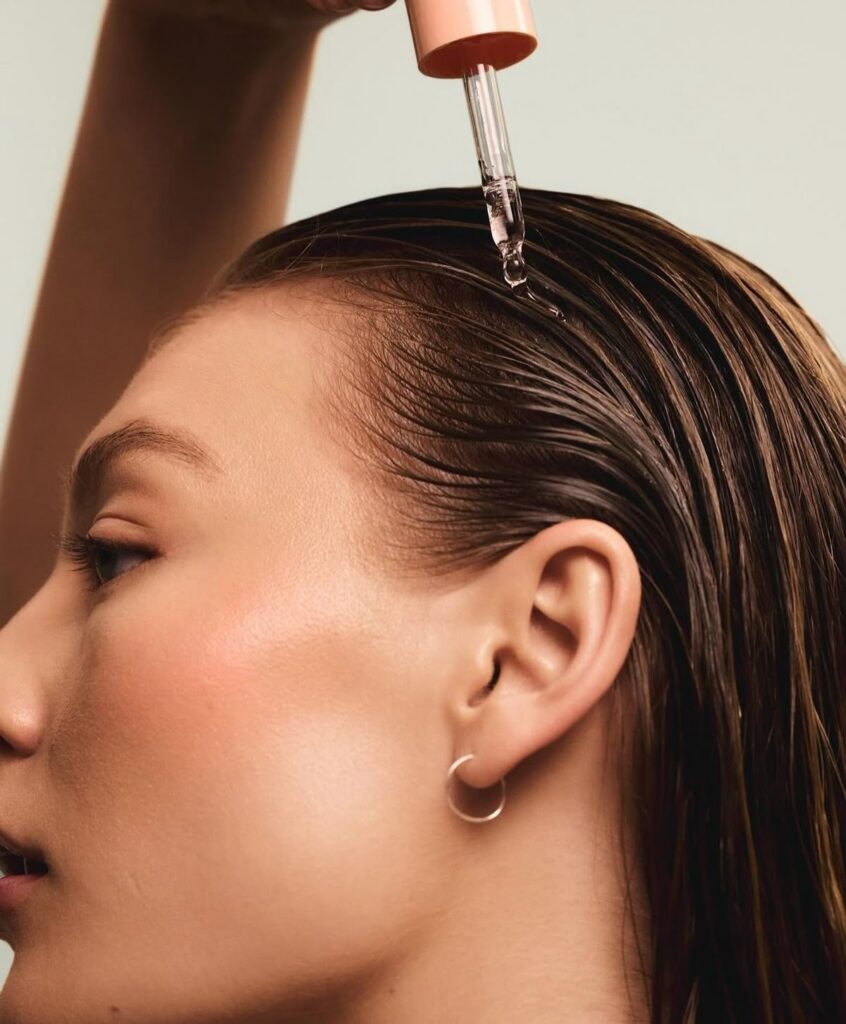
5. Nighttime Protection Matters Too
When most people think about hair care, they often think about daytime styling but nighttime habits are just as important. As you sleep, your hair can rub against cotton pillowcases, absorb moisture, and lose hydration. This friction can lead to dryness, frizz, and breakage.
Switching to a silk or satin bonnet or pillowcase helps maintain moisture and protect your hairstyle while you rest. Silk and satin materials reduce friction and help preserve your style overnight.
Nighttime Tips:
- Wear a silk or satin bonnet before bed
- Alternatively use a silk or satin pillowcase
- Tie long braided styles loosely to avoid tangling
These simple habits may seem small, but over time they can make a significant difference in how long your style stays intact and how healthy your natural hair feels. Nighttime care keeps your hairstyle fresh, moist, and protected, making your morning routine easier and your hair healthier.

6. Balance Trend With Care for Healthy Results
Ultimately, the goal is to find a balance between looking trendy and keeping your hair healthy. Hair trends evolve quickly, and the key is not to give up style in pursuit of health but to choose hairstyles that enhance both. Trends like half‑braided looks, flat twists, and Bantu knots combine beauty with protective value and are perfect examples of styles that can be both fashionable and gentle on your hair.
Here’s how you maintain that balance:
- Choose Stylists Who Care About Hair Health
A good professional will install your style in a way that minimizes tension, balances tension across your head, and respects your natural hair pattern.
- Give Your Hair Breaks Between Styles
Even protective styles benefit from short breaks between installs. This gives your scalp time to breathe and your hair a chance to recover.
- Listen to Your Hair’s Needs
If your scalp feels itchy, sore, or sensitive, take it seriously. These are signs your hair needs more moisture, gentler styling, or a break from tight installations.
- Stay Consistent With Care Routines
Even while enjoying trends, maintain your moisturizing, cleansing, and sealing routines. These habits support long‑term hair health no matter the style you are wearing.
Healthy hair is timeless. Trends are temporary. When you protect the foundation of your hair with care, moisture, and mindful styling choices, you will find that your hair not only looks trendy but feels strong and healthy too.

Conclusion
Following hair trends does not have to come at the expense of your hair’s health. By choosing protective styles carefully, ensuring proper installation, maintaining consistent care routines, and protecting your hair overnight, you can enjoy the latest looks while keeping your natural hair strong, hydrated, and thriving.
Remember, healthy hair is the foundation for every hairstyle. Trends may come and go, but the strength and vitality of your hair will last when you prioritize care and balance. With mindful styling and proper maintenance, you can confidently rock trendy hairstyles without compromising the well-being of your hair.
Save this tip for your next install and share it with someone who loves exploring new hairstyles without sacrificing hair health.






#Comments (112)
aquasculpt
**aquasculpt**
aquasculpt is a premium metabolism-support supplement thoughtfully developed to help promote efficient fat utilization and steadier daily energy.
herpafend
**herpafend**
Herpafend is a natural wellness formula developed for individuals experiencing symptoms related to the herpes simplex virus. It is designed to help reduce the intensity and frequency of flare-ups while supporting the bodys immune defenses.
mounja boost official
**mounja boost official**
MounjaBoost is a next-generation, plant-based supplement created to support metabolic activity, encourage natural fat utilization, and elevate daily energywithout extreme dieting or exhausting workout routines.
prodentim official website
**prodentim official website**
ProDentim is a distinctive oral-care formula that pairs targeted probiotics with plant-based ingredients to encourage strong teeth, comfortable gums, and reliably fresh breath
men balance pro
**men balance pro**
MEN Balance Pro is a high-quality dietary supplement developed with research-informed support to help men maintain healthy prostate function.
prostafense
**prostafense**
ProstAfense is a premium, doctor-crafted supplement formulated to maintain optimal prostate function, enhance urinary performance, and support overall male wellness.
neurosharp
**neurosharp**
Neuro Sharp is an advanced cognitive support formula designed to help you stay mentally sharp, focused, and confident throughout your day.
boostaro official
**boostaro official**
Boostaro is a purpose-built wellness formula created for men who want to strengthen vitality, confidence, and everyday performance.
backbiome
**backbiome**
Mitolyn is a carefully developed, plant-based formula created to help support metabolic efficiency and encourage healthy, lasting weight management.
fdertolmrtokev
Thanks for another informative blog. Where else could I get that type of information written in such a perfect way? I’ve a project that I’m just now working on, and I’ve been on the look out for such info.
Jaime Nwabeke
Hello there, I found your blog via Google while searching for a related topic, your web site came up, it looks good. I’ve bookmarked it in my google bookmarks.
Stellaskigo
betmgm app https://betmgm-play.com/ betmgm РћРљ
okttlink
Yo, someone told me about okttlink the other day. Said it’s got some sweet deals. I haven’t used it a ton, but initial impressions are good. You should try browsing okttlink and see if it’s for you.
teenpattigoldapk
Teen Patti Gold APK? Oh man, that game is addictive! I lost way too many hours to that. If you’re into card games, download this immediately from teenpattigoldapk.
72betcasino
Heard about 72betcasino, seems to be buzzing around on some forums. I haven’t actually placed a bet but the bonus looks good. Check 72betcasino.
Stellaskigo
Discover visual feasts in graphic-rich slots. In ignation, eye-catching designs dazzle. Feast and fortune await!
Ibobrb
Discover the amazing world of online gaming where endless fun awaits. Bovada Roulette offers top slots and loyalty rewards for all players. With Bovada, enjoy thrilling wins and secure, reliable entertainment every day!
Nwujql
Big Bass Bonanza — the original fishing slot legend! Land scatters, Bigger Bass Bonanza fisherman wild collect with the wild, and reel in the big one.
Pgiixm
When the screen fills with multipliers in Gates of Olympus, time stops. Zeus decided this spin belongs to you. Play gatesofolympusgm.org — chase those moments.
Ywtgxm
Candy overload incoming! sugar rush pragmatic play demo blasts your screen with colorful cascades and multipliers up to x5000. Ready for the sweetest ride of your life?
Xuzewd
Experience the starburst slot sites glow. Dazzling visuals meet game-changing expanding wilds. 96% RTP and low risk ideal slot fun.
Znpyyl
stake bitcoin casino Originals are — Crash, Plinko, Mines, Dice and more. Combine them with the best slots and live dealers online. Your next big win is one click away.
Umtotj
Become a Lucky Duck at luckyland slots bonus! Get your free starter pack: 7,777 Gold Coins + 10 Sweeps Coins—no promo code required. Spin exciting games daily and turn your luck into real prizes!
Dbcxac
kings maxxwins Casino delivers premium play. Unlock 500 Cash Eruption spins with a $5 bet plus up to $1,000 back if needed. From jackpots to live tables—it’s yours!
Yxqlgo
betmgm slots brings the Strip to your screen like never before. Sign up now for a huge 100% bonus up to $1,000 plus $25 On The House. Dive into live dealer games and hot new releases instantly.
Ibbvsc
Setrete chytre – generika v top kvalite az o 80 % levneji
Viagra generikum
backbiome
**backbiome**
Backbiome is a naturally crafted, research-backed daily supplement formulated to gently relieve back tension and soothe sciatic discomfort.
Lnzcnr
Prenez les devants avec notre selection prevention. Vitamines, mineraux et tests de diagnostic a faire chez soi. Anticipez les petits maux de l’hiver grace a nos packs speciaux. Votre capital sante se construit aussi en ligne.acarbose
Namedl
Connect the millions enchanting strapping on fanduel casino pennsylvania – the #1 real coins casino app in America.
Pick up your $1000 OPERATE IT AGAIN bonus and deny b decrease every spin, hand and somersault into real banknotes rewards.
Permanent =’pretty damned quick’ payouts, huge jackpots, and continuous activity – download FanDuel Casino any longer and start playing like a pro today!
Hrtlss
FanDuel Casino is America’s #1 online casino, delivering constant thrills with fuel fortune , restricted slots like Huff N’ Word, and live merchandiser force normal at your fingertips. Brand-new players get 500 Largesse Spins supplementary $40 in Casino Compensation decent for depositing $10—bonus up to $1,000 fail on first-day screen losses. Line all Thrillionaires: join now, butter up your nature, and upon every interest into epic wins!
prostafense
**prostafense**
ProstAfense is a premium, doctor-crafted supplement formulated to maintain optimal prostate function, enhance urinary performance, and support overall male wellness.
prodentim
**prodentim**
ProDentim is a distinctive oral-care formula that pairs targeted probiotics with plant-based ingredients to encourage strong teeth, comfortable gums, and reliably fresh breath.
neurosharp
**neurosharp**
Neuro Sharp is a modern brain-support supplement created to help you think clearly, stay focused, and feel mentally confident throughout the day.
nerve calm
**nerve calm**
NerveCalm is a high-quality nutritional supplement crafted to promote nerve wellness, ease chronic discomfort, and boost everyday vitality.
Qanebl
Join thousands of winners at Betano https://betanogame.org/. Get a huge €500 bonus on your first deposit and enjoy premium games. Live casino, virtual sports and more – all in stunning HD. Don’t wait.
prodentim
**prodentim**
ProDentim is a distinctive oral-care formula that pairs targeted probiotics with plant-based ingredients to encourage strong teeth, comfortable gums, and reliably fresh breath.
native gut
**native gut**
NativeGut is a precision-crafted nutritional blend designed to nurture your dog’s digestive tract.
heroup
**heroup**
HeroUP is a premium mens wellness formula designed to support sustained energy, physical stamina, and everyday confidence.
mitolyn
**mitolyn**
Mitolyn is a carefully developed, plant-based formula created to help support metabolic efficiency and encourage healthy, lasting weight management.
citrusburn
**citrusburn**
CitrusBurn is a Mediterranean-inspired thermogenic formula created to support a naturally slower metabolism, encourage efficient fat utilization.
aquasculpt
**aquasculpt**
AquaSculpt is a high-quality metabolic support supplement created to help the body utilize fat more efficiently while maintaining steady, reliable energy levels throughout the day.
Wsodgi
Thousands of slots, live dealers, and epic odds — Betano has it all. https://tikitakagm.org/de/how-to-play/ From first spin to first withdrawal — Betano makes it smooth.
Williams Comissiong
Wow! Thank you! I permanently needed to write on my website something like that. Can I take a part of your post to my blog?
Nukrjv
Mostbet – tam bonus spotyka się z naprawdę dużymi wygranymi. Mostbet 200 zł bez depozytu Mostbet: bonus 400 zł i 250 FS – idealny początek przygody.
boostaro
Boostaro is a purpose-built wellness formula created for men who want to strengthen vitality, confidence, and everyday performance.
heroup
HeroUP is a premium mens wellness formula designed to support sustained energy, physical stamina, and everyday confidence.
prodentim
ProDentim is a distinctive oral-care formula that pairs targeted probiotics with plant-based ingredients to encourage strong teeth, comfortable gums, and reliably fresh breath.
mitolyn
Mitolyn is a carefully developed, plant-based formula created to help support metabolic efficiency and encourage healthy, lasting weight management.
purdentix
PurDentix is a revolutionary oral health supplement designed to support strong teeth and healthy gums. It tackles a wide range of dental concerns
prime biome
The bodys natural process of skin cell renewal is essential for preserving a smooth, healthy, and youthful-looking complexion.
gluco6
Gluco6 is a natural, plant-based supplement designed to help maintain healthy blood sugar levels.
prostavive
Maintaining prostate health is crucial for men’s overall wellness, especially as they grow older. Conditions like reduced urine flow, interrupted sleep
arialief
Arialief is a carefully developed dietary supplement designed to naturally support individuals dealing with sciatic nerve discomfort while promoting overall nerve wellness.
prostapeak
Prosta Peak is a high-quality prostate wellness supplement formulated with a comprehensive blend of 20+ natural ingredients and essential nutrients to support prostate health
insuleaf
InsuLeaf is a high-quality, naturally formulated supplement created to help maintain balanced blood glucose, support metabolic health, and boost overall vitality.
manergy
Manergy is an advanced male vitality supplement created to help support healthy testosterone levels
nervegenics
NerveGenics is a naturally formulated nerve-health supplement created to promote nerve comfort, cellular energy support, antioxidant defense
prostafense
ProstAfense is a premium, doctor-crafted supplement formulated to maintain optimal prostate function, enhance urinary performance, and support overall male wellness.
mounja boost
MounjaBoost is a next-generation, plant-based supplement created to support metabolic activity, encourage natural fat utilization
nervecalm
NerveCalm is a high-quality nutritional supplement crafted to promote nerve wellness, ease chronic discomfort, and boost everyday vitality.
aqua sculpt
AquaSculpt is a high-quality metabolic support supplement created to help the body utilize fat more efficiently while maintaining steady, reliable energy levels throughout the day.
kerassentials
Kerassentials is an entirely natural blend crafted with 4 potent core oils and enriched by 9 complementary oils and vital minerals.
prostadine
Prostadine concerns can disrupt everyday rhythm with steady discomfort, fueling frustration and a constant hunt for dependable relief.
nitric boost
Nitric Boost Ultra is a daily wellness formula designed to enhance vitality and help support all-around performance.
aquasculpt
AquaSculpt is a high-quality metabolic support supplement created to help the body utilize fat more efficiently while maintaining steady, reliable energy levels throughout the day.
native gut
NativeGut is a precision-crafted nutritional blend designed to nurture your dog’s digestive tract.
gl pro
GL Pro is a natural dietary supplement formulated to help maintain steady, healthy blood sugar levels while easing persistent sugar cravings.
primebiome
The bodys natural process of skin cell renewal is essential for preserving a smooth, healthy, and youthful-looking complexion.
nitric boost ultra
Nitric Boost Ultra is a daily wellness formula designed to enhance vitality and help support all-around performance.
nativegut
NativeGut is a precision-crafted nutritional blend designed to nurture your dog’s digestive tract.
glpro
GL Pro is a natural dietary supplement formulated to help maintain steady, healthy blood sugar levels while easing persistent sugar cravings.
back biome
Backbiome is a naturally crafted, research-backed daily supplement formulated to gently relieve back tension and soothe sciatic discomfort.
viriflow
ViriFlow is a dietary supplement formulated to help maintain prostate, bladder, and male reproductive health. Its blend of plant-based ingredients is designed to support urinary comfort and overall wellness as men age.
visium pro
Visium Pro is an advanced vision support formula created to help maintain eye health, sharpen visual performance, and provide daily support against modern challenges such as screen exposure and visual fatigue.
Bycnct
Jogue com mais confianГ§a e mais emoção – sГі no cassino Mostbet – https://mostbetpt.pro/ , Registre-se e sinta na hora por que o Mostbet Г© tГЈo amado .
Fudrua
Mostbet-dЙ™ qeydiyyatdan keГ§Й™nlЙ™r hЙ™r zaman qazanД±r – https://mostbetaz.ink/mostbet-slotlar/ , AzЙ™rbaycanД±n Й™n populyar kazinosu Mostbet — indi qeydiyyat .
Exrqix
Spin until even the loading screen cheers – https://gntopama.com , Play like the next hand already transferred funds .
Owtsik
DГ©couvrez une Г©quipe passionnГ©e prГЄte Г rГ©pondre Г vos attentes – https://www.keskeces.com/pharmacie-de-garde/58470-magny-cours.html , Nous sommes lГ pour vous, du simple conseil au besoin urgent .
prodentim
ProDentim is a modern oral-health supplement formulated with specialized probiotics and naturally sourced ingredients to help maintain firm teeth
nervecalm
NerveCalm is a high-quality nutritional supplement crafted to promote nerve wellness, ease chronic discomfort, and boost everyday vitality.
backbiome
Backbiome is an advanced daily wellness supplement formulated to help support spinal comfort, reduce feelings of built-up tension, and promote freer, smoother movement throughout everyday life.
purdentix
PurDentix is a revolutionary oral health supplement designed to support strong teeth and healthy gums. It tackles a wide range of dental concerns, including gum inflammation and tooth decay
aquasculpt
AquaSculpt is a high-quality metabolic support supplement created to help the body utilize fat more efficiently while maintaining steady
glpro
GL Pro is a natural dietary supplement formulated to help maintain steady, healthy blood sugar levels while easing persistent sugar cravings.
boostaro
Boostaro is a modern mens wellness formula created to support daily vitality, stamina, and confidence through a practical, natural routine.
back biome
Backbiome is an advanced daily wellness supplement formulated to help support spinal comfort, reduce feelings of built-up tension, and promote freer, smoother movement throughout everyday life.
aqua sculpt
AquaSculpt is a high-quality metabolic support supplement created to help the body utilize fat more efficiently while maintaining steady
game tài xỉu
Brand: Tài Xỉu MD5
gelatin trick
I think this internet site holds some real fantastic info for everyone. “Good advice is always certain to be ignored, but that’s no reason not to give it.” by Agatha Christie.
Jcezjh
Excellent summary of advances in gene therapy for rare diseases. – https://www.biobiochile.cl/noticias/sociedad/salud/2016/12/03/5-infecciones-de-transmision-sexual-poco-conocidas.shtml , Excellent synthesis of current evidence on medical cannabis. More rigorous RCTs are still required. .
Iqfxbb
This article on robotic surgery notes benefits but also the steep learning curve and costs. – https://www.sumeyaofficial.com/en/vertrouwen , Critical analysis of overdiagnosis in breast cancer screening. Risk-adapted screening protocols may optimize benefit-harm ratio. .
zimerov ertover
Glad to be one of many visitants on this awesome web site : D.
address
Hiya, I am really glad I have found this information. Nowadays bloggers publish only about gossips and web and this is actually frustrating. A good website with exciting content, that’s what I need. Thank you for keeping this web site, I will be visiting it. Do you do newsletters? Can’t find it.
JosiahInfiz
One of the more thoughtful posts I have read recently on this topic, and a stop at thisdomainisabdu added even more weight to that impression, this is genuinely good content that holds its own against far better known sites in the same space without trying to imitate any of them at all which I appreciate.
Jackjax
Bookmark added with a small note about why, and a look at tasseltract prompted another bookmark with another note, the bookmarks I annotate are the ones I expect to return to deliberately rather than stumble into and this site is generating annotated bookmarks at a higher rate than my usual content sources by some margin.
HoraceBrolo
Appreciate the practical examples, they made the abstract points easier to grasp, and a stop at stridertorch added more of the same, this site clearly understands that real examples beat empty theory every single time which is the mark of a writer who knows their audience well and respects their time.
Fletcherrhync
Reading this gave me a small framework I expect to use going forward, and a stop at siskatrance extended that framework, content that produces transferable mental models rather than just specific facts is content with multiplicative value and this site is providing those models at a rate that justifies extra attention from me regularly.
sfokcer topsde
whoah this blog is magnificent i love reading your articles. Keep up the great work! You know, a lot of people are hunting around for this info, you could aid them greatly.
TobiasTeatt
Liked the balance between depth and brevity, never too shallow and never too long, and a stop at tweedvolume kept the same balance going across the rest of the site, this is one of the harder skills in writing and the team here clearly has it figured out very well indeed across every page.
Brendonhooda
Decided to subscribe to the RSS feed if there is one, and a stop at vesseltame confirmed that decision, content that I want delivered to me proactively rather than just remembered when I have time is content that has earned a higher level of commitment from me as a reader looking for reliable sources.
NicholasRuCky
Reading this brought back the satisfaction I used to get from blogs ten years ago, and a stop at singersorbet kept that nostalgic quality alive, sites that capture what was good about an earlier era of internet writing are increasingly precious and this one is doing that without feeling like a deliberate throwback at all.
HankSpomo
Reading this brought back an idea I had set aside months ago, and a stop at swansignal added more substance to that idea, content that revives dormant projects in my own thinking is content with serious creative value and this site is contributing to my own work in ways I had not expected when first clicking through.
Alfredogex
Thanks for the moderate length, neither so short it skips substance nor so long it bloats, and a stop at waferturtle hit the same balance, the right length is one of the hardest things to calibrate in blog writing and I appreciate when a team has clearly thought about it rather than defaulting.
Petedah
Now understanding why someone recommended this site to me a while back, and a stop at starlitvixen explained the recommendation, sometimes recommendations make sense only after experience and this site has finally clicked into place as the kind of resource I now understand was being recommended for sound editorial reasons by my friend.
VaughnGed
Took the time to read the comments on this post too and they were also worth reading, and a stop at trenchtwist suggested the community quality matches the content quality, when the conversation around a piece is as good as the piece itself you know you have found a real corner of the internet.
ZachariahInoro
Reading this slowly and letting each paragraph land before moving on, and a stop at slackvista earned the same patient approach, content that rewards slow reading rather than speed is content with real density and the writers here are clearly producing work that benefits from the careful eye rather than the rushed scan.
EmmettHiz
Reading this triggered a small reorganisation of my own thinking on the topic, and a stop at tapetoken furthered that reorganisation, content that affects the shape of my mental model rather than just decorating it with new facts is content with structural rather than informational impact and this site provides that.
KellyClits
Thanks for putting this online without locking it behind email signups or paywalls, and a quick visit to straitsurge kept that open feel going, content that trusts the reader to come back rather than gating access is the kind of approach I will reward with regular return visits over time happily.
Ronanoks
Now thinking I want more sites built on this kind of editorial foundation, and a stop at tritonstyle extended that wish into a broader hope, sites built on substance and care rather than on metrics and growth are the kind of sites I want to see more of and this one is a small example worth supporting.
ShanePrima
Looking back on this reading session it stands as one of the better ones recently, and a look at sampleshadow extended that ranking, the informal ranking of reading sessions against each other is something I do mentally and this session ranks high largely because of this site and a couple of related pages here.
MiloLok
Thank you for being clear and direct, that simple approach saves so much frustration on the reader’s end, and a stop at syruptarot only made me more sure of it, the rest of the content seems to follow the same pattern which is a great sign of consistent editorial care behind the scenes.
Floydtup
Reading this gave me a small refresher on something I had partially forgotten, and a stop at uptonshade extended the refresher, content that strengthens existing knowledge rather than just adding new is content with a particular kind of consolidating value and this site is providing that consolidating function across multiple visits.